 envision
Is luck truly mightier than skill in the casino world
The Role of Luck in Casino Games
In the world of gambling, luck plays a pivotal role in determining outcomes. Casino games are designed with randomness at their core, whether it’s a roll of the dice, a spin of the roulette wheel, or the turn of a card. This inherent unpredictability means that, on any given day, a player might experience a winning streak purely by chance, often finding the best online poker sites among their options. Luck can lead to extraordinary wins, turning a modest investment into a substantial payoff almost overnight.

However, relying solely on luck can be a double-edged sword. Many players enter casinos with the hope that fortune will favor them, yet the reality is that luck can be fleeting. A player who wins big one day may find themselves losing just as quickly the next, highlighting the capricious nature of luck in gambling.
The Importance of Skill in Gambling
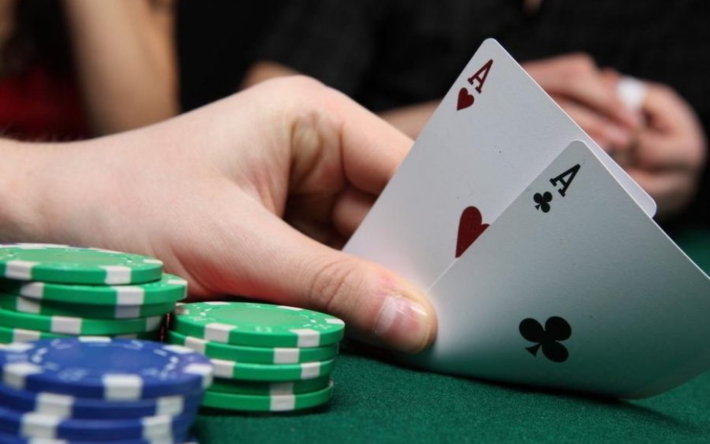
While luck undeniably influences the casino experience, skill cannot be overlooked. Games like poker, blackjack, and sports betting require a strategic approach and an understanding of probabilities. Skilled players analyze their opponents, calculate odds, and make informed decisions that can significantly enhance their chances of success over time. This blend of knowledge and experience often separates the casual player from the professional.
Furthermore, mastering the nuances of a game can lead to a more consistent performance, reducing reliance on chance. While luck can provide a temporary advantage, it is skill that often builds long-term success in the casino environment.
The Psychological Effects of Luck and Skill
The interplay between luck and skill can also have profound psychological effects on players. When individuals experience a stroke of luck, they often feel a rush of excitement and euphoria, which can lead to a sense of invincibility. Conversely, prolonged losing streaks can generate frustration and a sense of defeat, potentially prompting reckless behavior as players chase their losses.
Understanding the psychological dynamics at play can help players maintain a balanced perspective. Those who recognize the limits of luck and invest in developing their skills may find themselves not only more successful but also more emotionally resilient in the face of the inevitable ups and downs of gambling.
Strategies for Balancing Luck and Skill
For players seeking to navigate the casino landscape effectively, it is essential to develop strategies that balance luck and skill. One effective approach is to choose games that lean more heavily on skill rather than chance. This could mean focusing on card games where strategy can influence the outcome, rather than purely luck-based games like slots.
Additionally, setting limits on losses and establishing clear goals can help players make the most of their time in the casino. By doing so, individuals can mitigate the emotional rollercoaster that often comes with gambling, making it a more enjoyable experience overall.
Why Understanding This Balance Matters
Ultimately, understanding the balance between luck and skill in the casino world is crucial for fostering a sustainable gambling experience. While many players may come for the thrill of chance, developing skills and strategies can lead to more favorable outcomes and a healthier relationship with gambling.
By approaching gambling with both an appreciation for luck and a commitment to skill development, players can enhance their enjoyment and potentially increase their success in the casino environment.