 envision
Exploring the psychological thrills behind gambling behavior in casinos
The Allure of Risk and Reward
The psychology behind gambling behavior is deeply intertwined with the concepts of risk and reward. Many individuals are drawn to the thrill of potentially winning big, which activates the brain’s reward system. The allure of online casinos can be particularly strong, as this option allows players to experience excitement from the comfort of their homes. This dopamine release can create a euphoric sensation, leading players to chase that high by placing more bets. The idea of turning a small investment into a substantial gain is irresistible for many, making casinos a magnet for thrill-seekers.

Moreover, the environment of a casino itself amplifies these feelings. The bright lights, sounds of slot machines, and the palpable excitement of other players contribute to an atmosphere charged with anticipation. This sensory overload enhances the gambling experience, making it more exhilarating and, at times, addictive.
The Role of Social Influence
Social dynamics play a significant role in gambling behavior, particularly in a casino setting. The presence of others can escalate excitement and encourage individuals to take risks they might otherwise avoid. Celebrating wins and sharing losses fosters a sense of community among players, creating a shared experience that can be both thrilling and supportive.
Celebrity gamblers often exemplify this social influence. When high-profile individuals engage in high-stakes betting, they not only attract attention but also normalize risky behavior for their fans. The allure of imitating their favorite stars can motivate regular players to gamble more aggressively, contributing to a culture of risk-taking.
Addiction and Compulsion
Gambling addiction is a serious concern, as it can stem from the same psychological mechanisms that attract people to casinos. Compulsive gamblers may struggle to control their urges, often driven by the need to escape from stress or anxiety. The cycle of chasing losses can lead to significant personal and financial repercussions, making awareness and intervention essential.
Many casinos recognize this issue and implement measures to promote responsible gambling. However, the challenge remains in striking a balance between encouraging patronage and ensuring player welfare. Understanding the psychological underpinnings of gambling can help casinos develop strategies to mitigate the risks of addiction.
The Impact of Cognitive Biases
Cognitive biases significantly influence gambling behavior, often leading players to make irrational decisions. For instance, the “gambler’s fallacy” leads individuals to believe that past outcomes affect future results, causing them to place bets based on flawed reasoning. This false sense of control can further fuel the gambling experience, creating a disconnect between reality and perception.
Additionally, casinos expertly design their games to exploit these biases. Techniques such as near-misses and variable rewards keep players engaged and returning for more. By understanding these psychological principles, gamblers can better recognize their decision-making processes, potentially leading to healthier gaming habits.
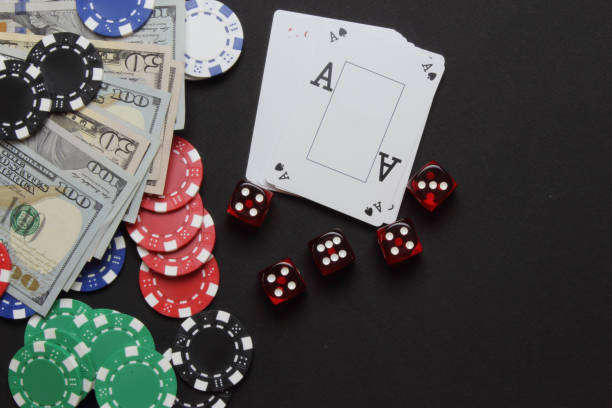
Understanding Gambling Behavior Through Education
Education plays a crucial role in addressing gambling behavior. By providing resources about the psychological thrills behind gambling, individuals can better understand their motivations and the risks involved. Awareness campaigns and educational programs can help demystify the gambling experience, allowing players to engage in informed decision-making.
Furthermore, platforms that focus on responsible gambling can foster a safer environment for players. These websites serve as valuable resources, offering insights into the psychological aspects of gambling and promoting healthier gaming habits. By prioritizing education, we can work toward a more informed and conscious gambling community.